
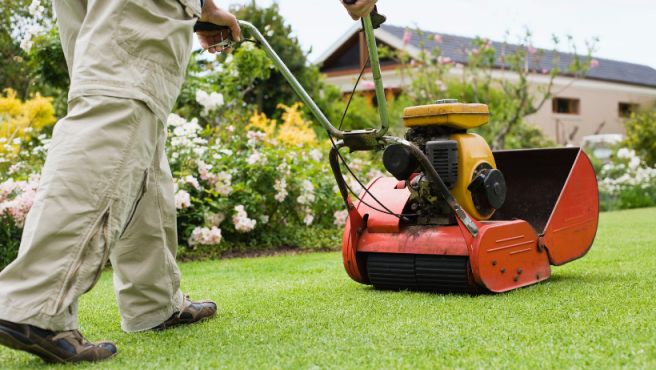
Landscaping is about creating something beautiful. Whether you maintain residential properties, install irrigation systems, design outdoor living spaces, or manage commercial grounds, your work improves the appearance and value of the properties you serve.
But behind every successful landscaping business is a wide range of risks. Expensive equipment, work vehicles, employee safety concerns, property damage exposures, and weather-related challenges can all affect your business.
At The Armstrong Company Insurance Consultants, we work with landscaping professionals to help them understand these risks and build insurance programs that support long-term success. Here are several practical landscapers insurance and risk management tips that can help protect your business.
Tip #1: Protect Your Equipment Properly
For many landscapers, equipment represents one of the largest investments in the business. Mowers, trailers, trimmers, skid steers, blowers, chainsaws, and specialty tools are essential to daily operations.
Unfortunately, equipment theft remains one of the most common claims in the landscaping industry.
Inland marine insurance helps protect mobile equipment while it is being transported, stored, or used at job sites. Standard property policies may not provide adequate protection once equipment leaves your primary location.
Keep equipment inventories updated and consider documenting serial numbers and photographs for faster claims handling.
Tip #2: Review Commercial Auto Coverage Annually
Landscaping businesses spend a significant amount of time on the road. Trucks, trailers, and equipment transport vehicles face daily exposure to accidents, weather, theft, and liability claims.
Commercial auto insurance should be reviewed regularly to ensure all vehicles are properly scheduled and that liability limits reflect today's claim environment.
Rising repair costs, medical expenses, and litigation trends have increased the severity of many commercial auto claims.
Tip #3: Focus on Employee Safety
Landscaping work can be physically demanding. Employees may encounter hazards involving machinery, heat exposure, lifting injuries, slips and falls, and vehicle operations.
Strong safety programs can help reduce injuries and improve overall business performance.
Consider:
- Regular safety meetings
- Equipment operation training
- Heat illness prevention programs
- Personal protective equipment requirements
- Vehicle safety protocols
Pairing these efforts with strong workers compensation insurance helps protect both your employees and your business.
Key Insurance Coverages for Landscapers
| Coverage Type | What It Protects |
|---|---|
| General Liability Insurance | Property damage and bodily injury claims |
| Commercial Auto Insurance | Business vehicles and transportation exposures |
| Workers Compensation Insurance | Employee injuries and medical expenses |
| Inland Marine Insurance | Mobile equipment and tools |
| Commercial Umbrella Insurance | Additional liability protection above primary limits |
Tip #4: Understand Your Liability Exposure
Property damage claims can happen unexpectedly. A damaged sprinkler system, broken window, utility line strike, or injury involving a third party can quickly become expensive.
General liability insurance for landscapers helps protect your business when accidents occur. However, it is also important to evaluate whether your liability limits remain adequate as your business grows.
Many landscaping companies are adding commercial umbrella insurance to provide additional protection above their general liability and commercial auto policies.
Landscaping Risk Snapshot
Equipment theft and vandalism involving mobile tools and machinery.
Commercial auto incidents involving trucks and trailers.
Employee injuries related to equipment operation and outdoor working conditions.
These trends highlight why a comprehensive insurance and risk management strategy is so important for landscaping businesses.
Tip #5: Create a Weather Preparedness Plan
Weather affects nearly every landscaping operation. Severe storms, flooding, wind events, drought conditions, and extreme temperatures can impact schedules, equipment, and revenue.
Consider developing a weather response plan that addresses:
- Equipment storage procedures
- Storm preparation measures
- Employee communication protocols
- Alternative scheduling plans
Planning ahead can help reduce disruptions and protect valuable assets.
Tip #6: Review Contracts and Certificates of Insurance
Many commercial landscaping contracts contain specific insurance requirements. Missing a contractual requirement could impact your ability to win work or create liability issues later.
Review:
- Additional insured requirements
- Waiver of subrogation provisions
- Contractual liability obligations
- Required liability limits
Understanding these requirements before signing contracts can help avoid costly surprises.
Tip #7: Conduct an Annual Insurance Review
Landscaping businesses evolve quickly. New equipment, additional employees, expanded service offerings, and larger contracts can all change your risk profile.
An annual insurance review helps ensure your landscapers insurance coverage continues to match your operations.
This review should include property values, vehicle schedules, payroll estimates, equipment inventories, and liability limits.
How The Armstrong Company Insurance Consultants Helps Landscaping Businesses
At The Armstrong Company Insurance Consultants, we understand the unique challenges landscaping companies face. We help business owners identify exposures, review current insurance programs, and implement practical risk management strategies.
Our goal is to help landscaping businesses protect their equipment, employees, vehicles, reputation, and long-term financial stability.
Grow Your Business with Confidence
Successful landscaping businesses are built on hard work, strong customer relationships, and thoughtful planning. The right combination of landscapers insurance, risk management practices, and liability protection can help support that success.
Contact The Armstrong Company Insurance Consultants at 310-530-0099 to review your current insurance program and discover ways to strengthen your protection for the season ahead.
```